How Basement Waterproofing NJ Supports a Safer Healthier Home

A basement has a way of telling the truth about a house. You can have fresh paint upstairs, polished floors, and a renovated kitchen, but if the lower level smells musty after a rainstorm or shows a faint tide line on the wall, the home is sending a clear message. Moisture below grade rarely stays below grade. It moves through materials, changes air quality, invites mold, damages finishes, and can quietly undermine the comfort people feel every day inside their own walls.
That is why Basement Waterproofing NJ matters well beyond keeping a floor dry. In New Jersey, homes deal with a mix of heavy seasonal rain, humid summers, freeze-thaw cycles, high water tables in some areas, and older construction methods that were never designed for the way many basements are used now. What was once a dark storage space often becomes a family room, home office, gym, guest suite, or play area. The standards change when people spend real time there. A little dampness that seemed tolerable twenty years ago becomes a serious concern when children play on the floor or when drywall, insulation, and electronics fill the room.
Homeowners often think about waterproofing after a visible problem appears. Water on the slab, blistering paint, a rusted furnace base, or that earthy smell that gets stronger in August usually starts the conversation. By then, moisture has often been present for much longer. What supports a safer, healthier home is not a quick cosmetic fix but a practical understanding of where water comes from, how it enters, and which solution actually fits the building.
Why basement moisture changes the whole house
A damp basement is not isolated from the rest of the home. Air moves upward. Building professionals often talk about the stack effect, which is a simple way of saying that air entering the lower parts of a house can influence conditions throughout the structure. If a basement is humid, stale, or moldy, some of that air does not stay put. It can migrate to upper floors through framing cavities, stairwells, ductwork, and small openings around pipes and wiring.
That matters because moisture is rarely a single-issue problem. It can affect indoor air quality, encourage biological growth, and create conditions that aggravate allergies or asthma in sensitive occupants. It can also damage the materials that people count on to keep a home stable and comfortable. Wood absorbs moisture. Metal corrodes. Drywall softens. Carpeting traps odors and supports mildew when humidity stays high. Even concrete, which looks indestructible, can crack, wick water, and release mineral deposits when groundwater pressure pushes against it.
In practical terms, the signs often show up as nuisance issues before they become expensive ones. A dehumidifier runs nonstop. Stored cardboard boxes turn limp. Holiday decorations develop a smell. Paint flakes off a wall near the corner. A finished basement feels clammy even when the thermostat reads a normal temperature. Families sometimes mistake these symptoms for poor cleaning or bad ventilation alone. Ventilation helps, but when the root cause is water intrusion or chronic seepage, no amount of fragrance, paint, or surface cleanup solves the problem for long.
What makes New Jersey basements especially vulnerable
New Jersey presents a wide range of basement conditions because the state itself is geologically and climatically varied. A house in Bergen County may face different drainage conditions than one in Middlesex, Monmouth, or Gloucester County. Some neighborhoods have higher water tables. Some lots slope toward the home rather than away from it. Some older homes have stone or block foundations that behave differently from poured concrete. Add mature landscaping, aging gutters, and decades of settling, and each basement begins to develop its own moisture story.
Rainfall patterns are a major factor. A single heavy storm can reveal weaknesses that remain hidden during average weather. Soil also plays a role. Clay-heavy soils hold water and expand, which can increase pressure against foundation walls. Sandy soils may drain faster, but they can still allow water to collect around footing levels depending on grading and surrounding hardscapes. Freeze-thaw cycles can widen small cracks over time, and humid summers can leave basements damp even when no liquid water is visible.
In many parts of the state, homes built in earlier eras were not detailed with the same exterior drainage expectations people assume today. Waterproof coatings may have aged out. Perimeter drains may clog or fail. Additions and patios can alter how water sheds around the structure. A driveway pitch that seemed harmless can funnel runoff toward a foundation during a cloudburst. This is why effective Basement Waterproofing NJ work begins with observation rather than assumptions. The solution has to match the way water behaves at that specific property.
The health side of waterproofing is often underestimated
People usually call a contractor because they want to stop puddles. That is understandable, but dry floors are only part of the health picture. The more significant benefit often comes from reducing persistent humidity and preventing microbial growth. Mold does not need standing water to take hold. It needs moisture, organic material, and time. Basements offer all three when humidity stays elevated and air circulation is poor.
A family can live with a mild basement odor for months and gradually stop noticing it. Guests notice it right away. That smell is not just unpleasant. It is usually a signal that moisture has been feeding mold, mildew, or bacteria somewhere on porous surfaces or in hidden cavities. In finished basements, the most vulnerable areas are often behind drywall, beneath laminate floors, under carpeting, and inside insulation. Once those materials stay damp long enough, removal may become necessary because cleaning alone cannot fully restore them.
There is also the issue of pests. Damp basements tend to attract insects that thrive in moist conditions. Silverfish, centipedes, and some species of ants are more likely to appear where water and humidity persist. Rodents are drawn to sheltered lower levels as well, especially when there are entry gaps and stored items. Waterproofing does not replace pest control, but it removes one of the conditions that makes a basement hospitable to unwanted guests.
For households with older adults, children, or anyone with respiratory sensitivities, these details matter. A healthy home is not only one that looks clean. It is one that stays dry enough to discourage the chain reaction that starts with moisture and ends with compromised air and damaged materials.
Not all water problems look dramatic
One of the most common mistakes homeowners make is waiting for obvious flooding. The truth is that many serious basement moisture issues look subtle at first. Efflorescence, the chalky white residue that appears on masonry, is a good example. It does not mean the wall is dirty. It means water has moved through the material and left mineral salts behind. The wall may feel dry on the day you touch it, but the evidence of moisture transport is right there.
Hairline cracks, rust on metal columns, peeling paint near the floor, and cupped vinyl planks in a finished room are other clues. So is condensation on cold water pipes or ductwork, especially when the space lacks proper humidity control. Some homeowners see one sign, treat that one symptom, and miss the larger pattern. Painting over discoloration or running a fan may hide the issue temporarily, but it does not reduce hydrostatic pressure outside the wall or stop seepage at the cove joint where the wall and floor meet.
The timing of the problem also tells a story. If the basement smells worse in summer, high humidity may be part of the issue. If moisture appears only after prolonged rain, exterior drainage and groundwater are likely involved. If water shows up during fast snowmelt, grading or saturated soil may be contributing. If the basement is wet even in dry weather, plumbing leaks or chronic condensation should be investigated alongside foundation concerns. The best waterproofing work comes from distinguishing among these causes instead of treating all moisture as if it enters the same way.
What effective basement waterproofing usually includes
There is no universal system that suits every basement. A reliable solution usually blends water management, structural awareness, and humidity control. In some homes, the problem starts outside, where clogged gutters dump roof runoff beside the foundation. In others, water pressure below grade overwhelms old perimeter drains and forces seepage through wall joints or cracks. Sometimes both conditions are present.
A sound assessment looks at how the site handles water from top to bottom. Roof drainage, downspout discharge, grading, window wells, hardscape pitch, foundation cracks, sump performance, and interior humidity should all be part of the conversation. Homeowners deserve more than a one-size-fits-all sales pitch. They need someone who can explain why a given system is recommended, what it can and cannot do, and how it fits the age and structure of the house.
The most common components of a Basement Waterproofing NJ project may include:
- correcting exterior drainage so roof water exits well away from the foundation
- sealing or repairing cracks that allow direct seepage
- installing or improving an interior drainage system and sump pump where groundwater pressure is the main issue
- adding vapor control and dehumidification to reduce persistent basement humidity
- replacing damaged finishes with materials better suited to below-grade conditions
Notice that waterproofing is not always one product. It is often a combination of measures working together. A high-quality sump https://travisauly635.theglensecret.com/how-basement-waterproofing-nj-creates-a-more-livable-lower-level pump cannot compensate for downspouts that empty at the base of the wall. Likewise, new gutters alone will not stop groundwater from rising beneath the slab in a home with a failing drainage system. This is where experience matters. The right fix depends on understanding water pathways, not just installing equipment.
Interior systems versus exterior work
Homeowners often ask whether interior waterproofing is better than exterior waterproofing. The honest answer is that they serve different purposes, and the best choice depends on the failure mechanism, access conditions, budget, and the house itself.
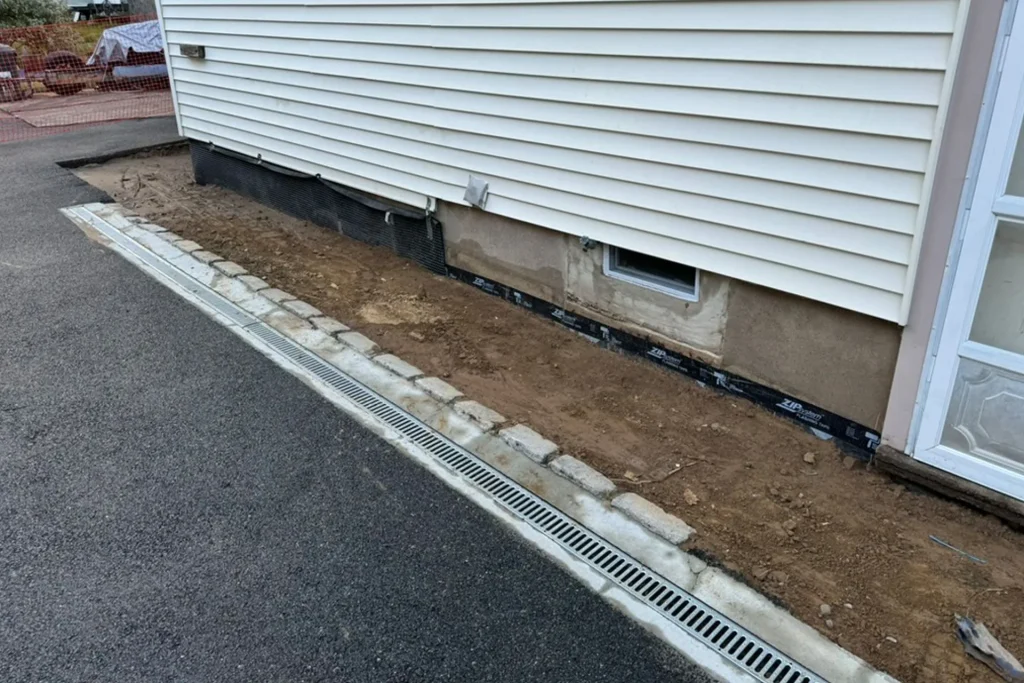
Exterior waterproofing addresses water before it enters the structure. That can involve excavation, membrane application, drainage board, footing drain replacement, and grading improvements. When feasible and properly executed, this approach can be very effective because it reduces direct exposure of the foundation wall to surrounding moisture. It is often ideal when there are major wall defects, significant foundation repairs, or site conditions that clearly funnel water against the house.
Interior systems are commonly used when water is entering at the cove joint, through the slab, or under pressure that is difficult to relieve entirely from the outside. These systems capture water at the perimeter and direct it to a sump basin for discharge. In many New Jersey homes, interior drainage offers a practical balance between effectiveness, disruption, and cost, especially when exterior excavation would be complicated by porches, driveways, property lines, or landscaping.
Neither approach should be sold as magic. Exterior excavation can be disruptive and expensive, and it may not solve every source of interior humidity if the basement remains poorly sealed and unconditioned. Interior systems manage water effectively, but they do not keep the wall itself dry in the same way a full exterior membrane might. That distinction matters in finished spaces, historic homes, and situations involving significant material deterioration. A good contractor explains the trade-offs plainly instead of pretending there is only one right method.
The sump pump question homeowners should take seriously
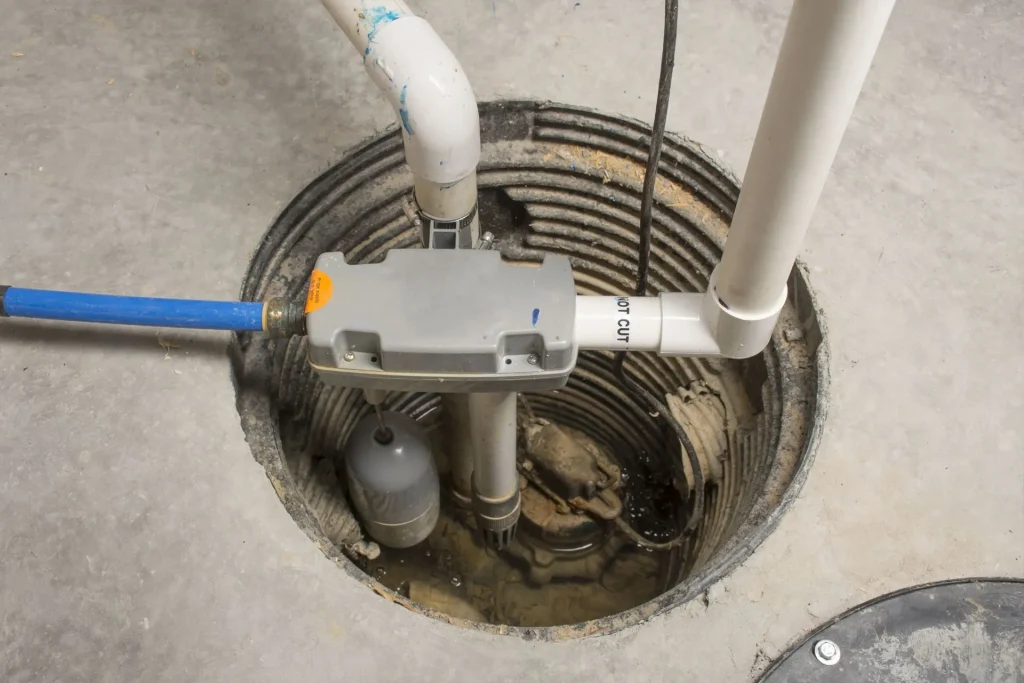
In many wet-basement calls, the sump pump is either the hero or the weak link. A reliable pump can be the difference between a manageable drainage event and a soaked finished basement. Yet many homeowners do not think about it until they hear it cycling every few minutes in a storm, or worse, until it fails during a power outage.
Pumps wear out. Floats stick. Check valves fail. Discharge lines freeze or clog. Backup power becomes critical during severe weather, which is exactly when the primary electrical supply is most vulnerable. For homes that have experienced repeated water intrusion, a battery backup or water-powered backup system often deserves serious consideration. It is not an upgrade for appearance. It is insurance against the night when heavy rain and a power loss arrive together.
Maintenance matters here. A sump system should be inspected and tested periodically, especially before storm season. The basin should be clean enough to avoid debris interference. The discharge point should direct water far enough from the home that it does not simply recycle back toward the foundation. This sounds basic, but it gets overlooked constantly. More than once, a homeowner has invested in interior drainage only to let the discharge empty too close to the wall, which defeats part of the benefit.
Finished basements require smarter material choices
Once people decide to use the basement as living space, waterproofing has to be paired with realistic finishing decisions. This is where many otherwise sensible projects go wrong. Traditional drywall, standard fiberglass insulation placed directly against a foundation wall, and wall-to-wall carpet can all perform poorly if even minor moisture returns. A basement does not need to flood to damage these materials. It only needs a little hidden dampness over time.
Better below-grade design starts with moisture tolerance. That may mean rigid insulation detailed correctly, inorganic trim where possible, raised or protected framing details, flooring choices that can handle occasional moisture exposure, and removable access in areas where service is likely needed. Homeowners often want the basement to feel just like the upstairs, but the smartest finished basements respect the fact that they sit below grade.
This is also why dehumidification should not be treated as an afterthought. Even after waterproofing repairs, many basements benefit from dedicated humidity control, especially in New Jersey summers. Keeping relative humidity at a reasonable level helps protect furnishings, reduce odors, and make the space genuinely comfortable. It is easier to maintain a healthy basement than to recover one after finishes absorb months of hidden moisture.
Warning signs that should not wait
Some basement issues can be monitored. Others call for prompt evaluation because delaying can turn a manageable repair into a more invasive one. Homeowners should be especially alert when they notice the following:
- recurring musty odor that returns soon after cleaning
- visible mold growth or staining on walls, base trim, or stored items
- water appearing at the wall-floor joint after rain
- widening cracks, bowing walls, or signs of structural movement
- a sump pump that runs constantly, cycles irregularly, or fails during storms
These signs do not all mean the same thing, but each deserves attention. Structural movement, in particular, should not be lumped together with ordinary dampness. A crack that changes over time, a wall that bows inward, or a door at basement level that suddenly sticks can indicate pressure and movement beyond routine seepage. Waterproofing and structural stabilization sometimes overlap, and the repair approach should reflect both concerns.
Choosing the right professional in New Jersey
A homeowner does not need to become a foundation expert overnight, but asking the right questions makes a big difference. The most trustworthy professionals usually spend more time inspecting and explaining than pitching. They want to know when the problem occurs, how long it has been happening, what changes have been made around the property, and whether the basement is finished or unfinished. They should be willing to discuss alternatives and limitations, not just brand names.
Ask how they determined the source of water. Ask whether the recommendation addresses liquid intrusion, humidity, or both. Ask what maintenance the system requires. Ask what happens if the basement is finished later. If excavation is proposed, ask how landscaping, hardscaping, and utility locations will be handled. If an interior system is proposed, ask where water discharges and what backup protection is available. These are practical questions, and experienced contractors should welcome them.
Price matters, of course, but basement waterproofing is one of those home investments where the cheapest proposal can become the most expensive if it misses the cause. A small crack injection may be sufficient for a single isolated seep. It is not a substitute for perimeter drainage when hydrostatic pressure is the real driver. On the other hand, a homeowner should be cautious of recommendations that jump immediately to extensive excavation without a clear explanation. Good diagnosis saves money because it prevents overbuilding in one area while neglecting another.
The long-term value goes beyond resale
People often frame waterproofing as a resale improvement, and it certainly affects marketability. Buyers are wary of damp basements for good reason. But the deeper value is day-to-day livability. A dry basement expands the usable footprint of the home, protects mechanical systems, reduces odor migration, and lowers the odds of mold-related cleanup or repeated material replacement. It also gives homeowners peace of mind during storms, which is difficult to quantify but easy to appreciate at two in the morning when rain is pounding the windows.
There is a financial logic here as well. Moisture damage tends to compound. Replace a section of flooring once and it is annoying. Replace flooring, drywall, trim, stored furniture, and a damaged water heater after two separate intrusion events, and the cost jumps fast. Add the labor of cleanup and the disruption to family life, and preventive work starts to look much more reasonable. Waterproofing is not glamorous, but it is foundational in the truest sense of the word.
For New Jersey homeowners, that practicality matters. The state’s weather patterns and housing stock make basements both useful and vulnerable. Addressing water issues thoroughly protects more than concrete and framing. It protects air quality, belongings, daily comfort, and the confidence that the home is working the way it should.
A healthier house often starts in the least celebrated space. When the basement stays dry, clean, and properly controlled, the benefits rise through the entire structure. That is the real promise of Basement Waterproofing NJ, not just a cleaner lower level, but a safer and healthier home from the ground up.
ARD Waterproofing
Address: 98 Smull Ave, West Caldwell, NJ 07006
Phone number: +12016465936
FAQ About Basement Waterproofing NJ
What is the best waterproofing method for a basement?
The best overall approach to waterproofing a basement is a combined exterior and interior system that stops water at the foundation wall and safely manages any moisture that gets through.
What is the average cost to waterproof a basement?
The average cost to waterproof a basement ranges from $2,500 to $15,000, with most homeowners paying around $5,200 for a complete project.
Can a basement be waterproofed from the inside?
Yes, a basement can be waterproofed from the inside, and it is often the most affordable and least disruptive method.